South African address verification: a practical guide to verifying clients
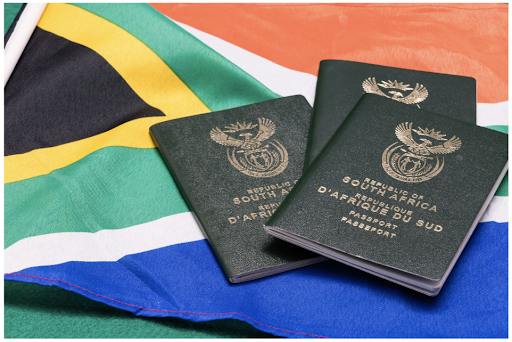
Verify pulls residential addresses from DHA, credit bureau and SACRRA member data in one e-IDV check. Here is how to remediate your South African book.



In today’s interconnected financial world, regulatory compliance is more than a checkbox, it’s a vital shield protecting firms, investors, and economies from financial crime. One key tool for assessing global money laundering and terrorism financing risks is the Financial Action Task Force (FATF) grey list.
But what exactly is it, and why does it matter? As part of effective risk mitigation, conducting a thorough risk assessment is crucial for meeting regulatory requirements.
Maintaining an up-to-date risk assessment and preparing a comprehensive mutual evaluation report are essential steps for countries and institutions to avoid grey listing and demonstrate compliance with anti-money laundering (AML) and counter-terrorist financing (CFT) standards.
The Financial Action Task Force (FATF) is the global standard-setter for anti-money laundering and counter-terrorist financing (AML/CFT) regimes. Established in 1989, the FATF’s mission is to safeguard the international financial system from the threats of money laundering, terrorist financing, and proliferation financing.
By developing and promoting robust international standards, the FATF helps countries identify and address strategic deficiencies in their AML/CFT frameworks. With 39 member countries and two regional organizations, the FATF continuously evaluates its members’ progress and encourages the adoption of effective legal, regulatory, and operational measures.
Its work is central to protecting the integrity of the financial system and ensuring that countries remain vigilant against money laundering, terrorist financing, and related risks that can undermine global security and economic stability.
The FATF grey list identifies countries with strategic deficiencies in their anti-money laundering (AML) and counter-terrorist financing (CTF) frameworks. This process is known as grey listing, and these jurisdictions are referred to as jurisdictions under increased monitoring. The FATF places these jurisdictions under increased monitoring to ensure they address the weaknesses flagged by FATF.
Unlike the blacklist, the grey list signals cooperation and ongoing reforms, but also highlights elevated risk that requires careful scrutiny. For example, firms dealing with the UK Virgin Islands have had to apply extra diligence due to grey list designation, impacting cross-border transactions and investment decisions.
It is important for firms to conduct customer due diligence and apply appropriate diligence measures when dealing with grey-listed jurisdictions.
The following countries are currently on the FATF grey list:
Algeria, Angola, Bolivia (newly added), Bulgaria, Burkina Faso, Cameroon, Côte d’Ivoire, Democratic Republic of Congo, Haiti, Kenya, Lao People’s Democratic Republic, Lebanon, Monaco, Mozambique, Namibia, Nepal, Nigeria, South Africa, South Sudan, Syria, Venezuela, Vietnam, Virgin Islands (UK) (newly added), Yemen.
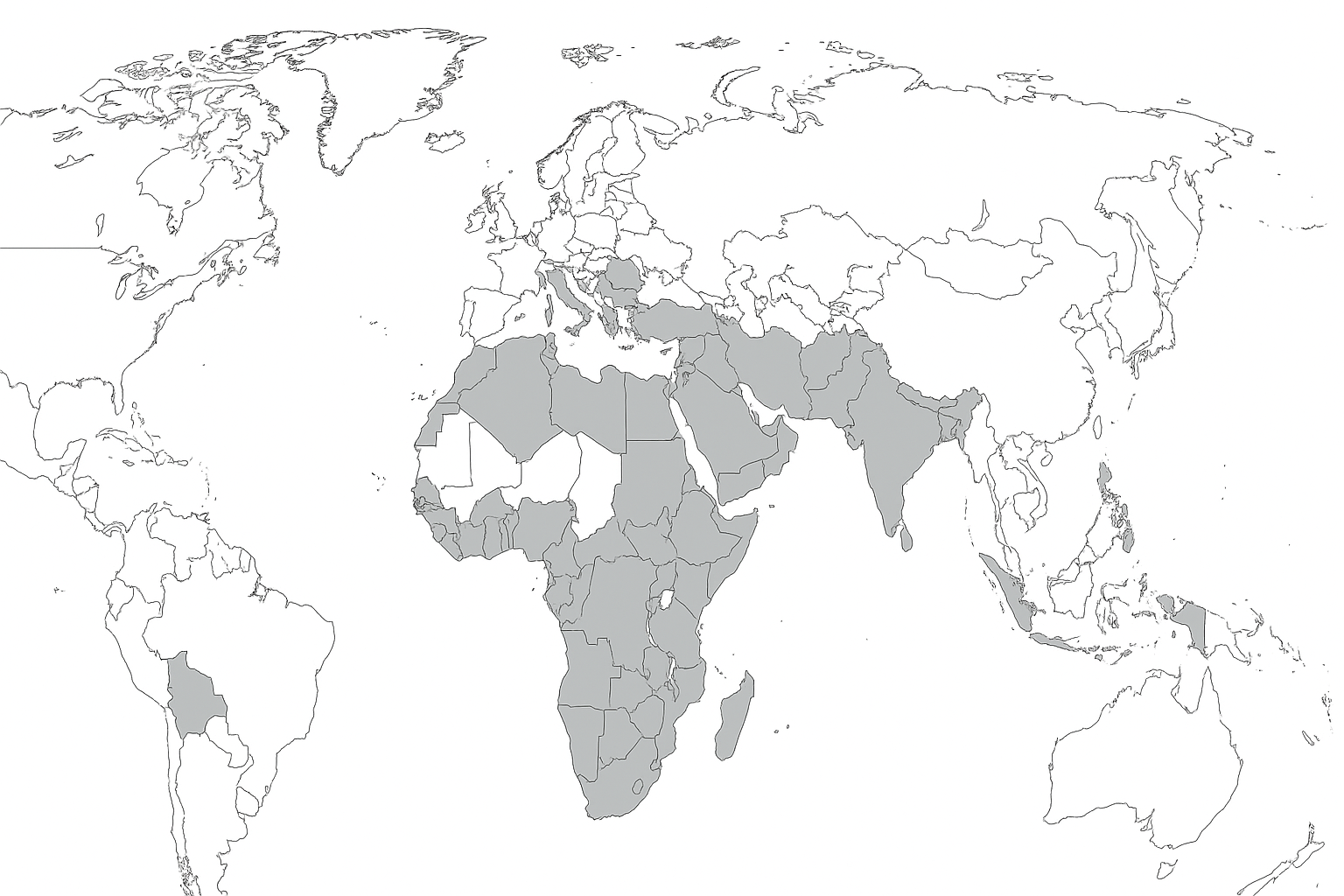
The FATF places these jurisdictions under increased monitoring. Other countries may also be subject to scrutiny if they have not fully implemented international standards. Countries on the grey list are required to develop action plans with agreed timeframes to address identified deficiencies.
Countries recently removed include Croatia, Mali, and the United Republic of Tanzania, reflecting successful reforms. Technical compliance and the completion of an action plan are key factors in the FATF's assessment for listing or removal.
The FATF blacklist, officially known as the “Call for Action,” highlights countries with significant strategic deficiencies in their AML/CFT regimes that pose a high risk to the international financial system. Jurisdictions placed on the blacklist are those that have not made sufficient progress in addressing ongoing money laundering, terrorist financing, and proliferation financing risks.
The FATF calls on all member countries and financial institutions to apply enhanced due diligence—and, in the most severe cases, counter-measures—when dealing with these high risk jurisdictions subject to the blacklist. This may include increased scrutiny of transactions, restrictions on business relationships, and other steps to protect the financial system from risks emanating from these countries. As of November 2022, North Korea, Iran, and Myanmar were the only countries on the FATF blacklist.
The list is regularly reviewed and updated as countries demonstrate progress or new risks emerge, ensuring that the international financial system remains resilient against money laundering, terrorist financing, and proliferation financing threats.
The FATF grey list has far-reaching consequences across the financial system. For banks, insurers, and fintechs, it requires enhanced due diligence on transactions tied to higher-risk jurisdictions. Compliance teams must strengthen monitoring frameworks, while corporates engaged in trade or investment face added scrutiny. Robust sanctions regimes and effective asset recovery processes are essential in managing risks associated with grey-listed jurisdictions, helping to deter laundering and terrorist financing activities.
Beyond operations, the grey list heightens both regulatory and reputational risk. Firms that fall short on enhanced measures can face penalties, while any association with grey-listed countries may raise concerns about exposure to financial crime. Monitoring illicit financial flows and addressing ml tf risks, including risks arising from deficiencies in AML/CFT controls, are critical for investors, insurers, and regulators. The list serves as a critical benchmark for assessing counterparties, market stability, and alignment with international standards.
From large financial institutions to SMEs, its implications ripple across due diligence, KYC, and transaction monitoring, shaping how firms manage risk and maintain trust in global markets. The rise of virtual assets presents new compliance challenges, requiring vigilance against proliferation financing risks emanating from high-risk jurisdictions, including those related to the proliferation of weapons of mass destruction.
Strong regimes to counter money laundering and terrorist financing, supported by international cooperation, are vital to address these evolving threats and protect the integrity of the global financial system.
Addressing the challenges posed by grey-listed jurisdictions requires strong international cooperation and a coordinated response. The FATF works closely with countries identified as having strategic deficiencies in their AML/CFT regimes but who are actively working to address these issues.
Through technical assistance, guidance, and ongoing dialogue, the FATF supports these jurisdictions in implementing effective measures to counter money laundering, terrorist financing, and proliferation financing. Financial institutions are encouraged to adopt a risk based approach when engaging with grey listed countries, taking into account each jurisdiction’s level of cooperation and progress in addressing strategic deficiencies.
This collaborative approach not only helps to strengthen AML/CFT regimes globally but also promotes financial inclusion and prevents unnecessary de-risking. By working with the FATF and leveraging international partnerships, countries and financial institutions can better protect the international financial system from money laundering, terrorist financing, and proliferation financing risks, while supporting the development of more resilient and inclusive financial systems worldwide.
Navigating grey-listed jurisdictions requires sharper compliance and smarter tools. Verify by Tiller’s AML platform supports this through:
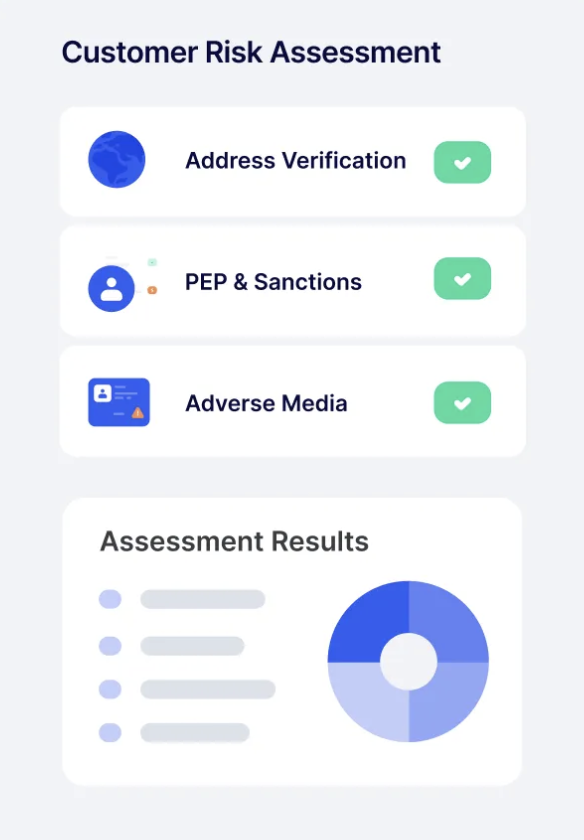
With these capabilities, compliance teams can reduce operational strain, stay aligned with FATF expectations, and engage confidently with clients in higher-risk markets. Verify by Tiller helps institutions align with FATF standards and work with the FATF to address compliance gaps. The platform also enables institutions to apply counter measures when dealing with high-risk clients or jurisdictions.
The FATF grey list is more than a regulatory signal, it’s a practical risk indicator that shapes compliance standards across global finance. Firms that understand and adapt to its implications protect not only themselves but also their clients, investors, and the wider financial system.
Verify by Tiller empowers organisations to meet these challenges with precision, combining advanced screening, identity verification, and continuous monitoring in a secure and scalable platform.
Stay ahead of FATF grey list developments. Contact us today to strengthen compliance, mitigate risk, and confidently engage with higher-risk jurisdictions.
Stay updated with our latest blog entries.


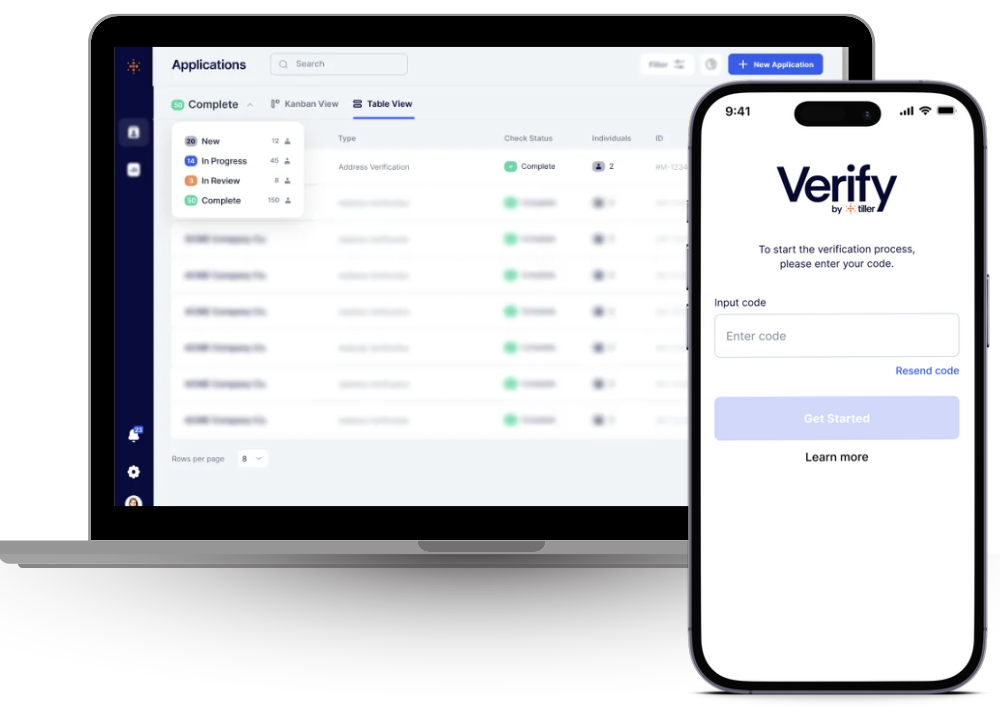
Experience the power of Verify first-hand. Schedule a personalised demo to see how to simplify and enhance your workflow.
